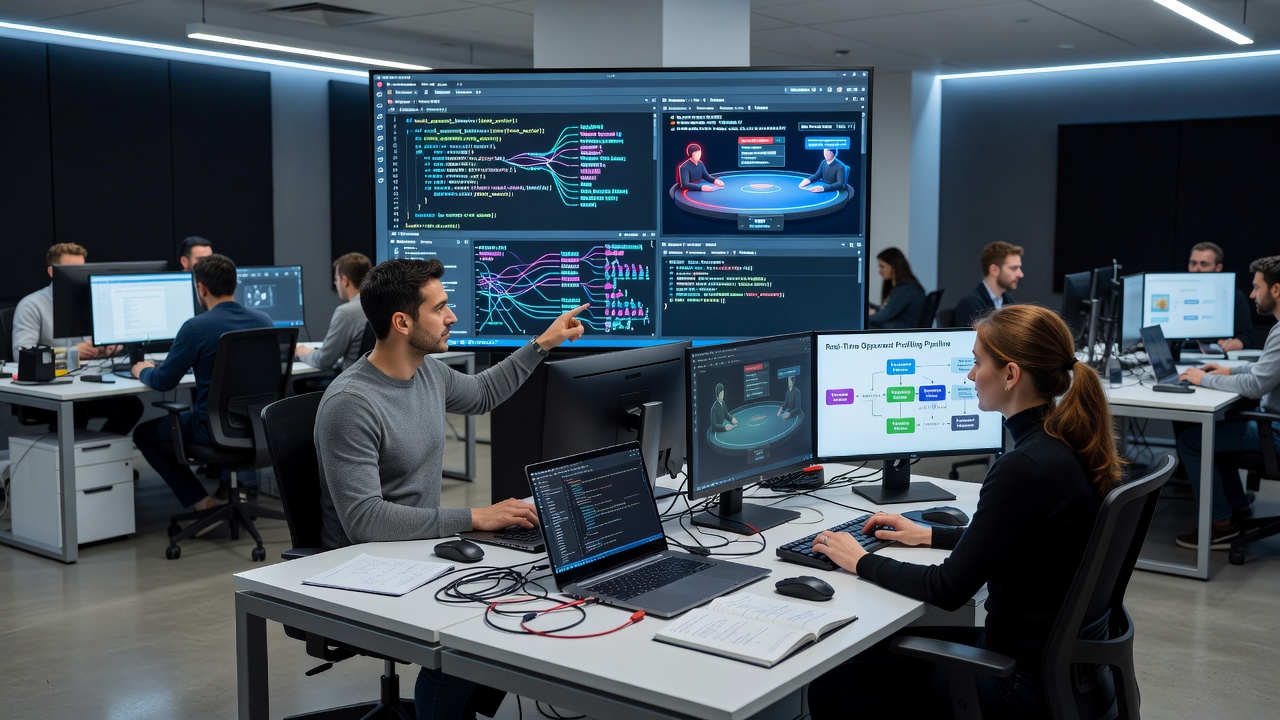
Inside the Development of Real-Time Opponent Modeling Software for Virtual Heads-Up Competitions
Real-time opponent modeling software processes live betting patterns and decision sequences in virtual heads-up poker matches, and developers build these systems through layered machine learning architectures that update player profiles within milliseconds of each action. Teams collect anonymized hand histories from online platforms, then train models on variables such as bet sizing frequencies, timing tells, and positional adjustments that distinguish one competitor from another in single-table formats.
Core Technical Components
Engineers integrate recurrent neural networks with reinforcement learning modules to predict future actions based on partial histories, while decision trees handle discrete categories like fold rates and continuation bet percentages. Data pipelines stream information from game servers directly into these models, and parallel computing clusters allow simultaneous evaluation of multiple opponents without latency spikes during extended sessions. Researchers at institutions such as the University of Alberta have published frameworks that separate exploitative modeling from equilibrium strategies, and those approaches now appear in commercial tools used by virtual competition organizers.
Data Collection and Privacy Standards
Virtual platforms supply structured logs that include stack sizes, pot odds, and community card textures, yet developers apply differential privacy techniques to prevent reconstruction of individual identities from aggregated datasets. Regulatory bodies in Canada and Australia require encrypted storage and audit trails for any software that processes player data, and compliance teams document how models avoid retaining raw identifiers beyond the duration of a single event. In October 2026 several major tournament series updated their data-sharing agreements to align with evolving international standards on digital competition integrity.
Testing occurs on sandbox environments that replicate real-time network conditions, and developers measure accuracy through metrics such as prediction precision at different decision points in heads-up play. One project tracked model performance across thousands of simulated matches and found that incorporating time-based features improved action forecasts by measurable margins compared with static pattern matching alone.
Integration with Competition Platforms
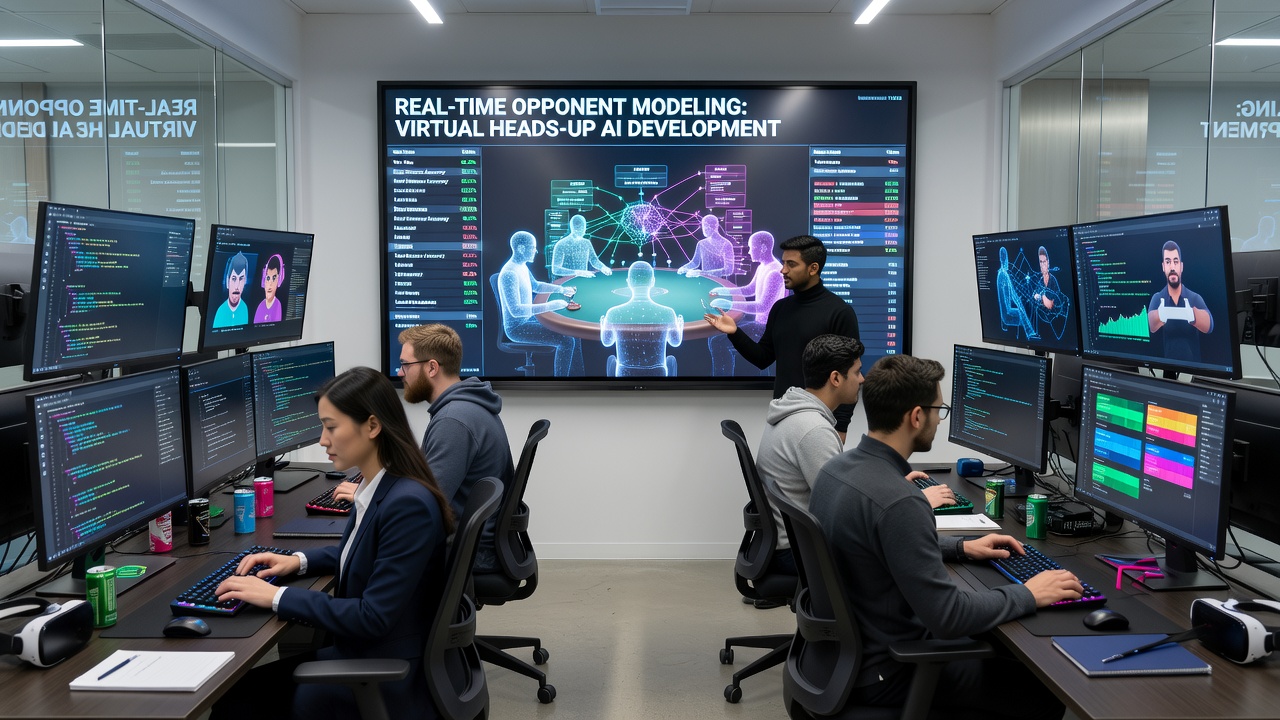
Operators embed these modeling tools into spectator interfaces and player dashboards so that live updates appear without interrupting game flow, and APIs connect the software to existing tournament management systems used across virtual circuits. Developers emphasize modular design so individual components can be swapped when new research emerges on topics like multi-street bluff detection or river polarization analysis. Industry reports from the European Gaming and Betting Association note that adoption rates for such analytical layers have risen steadily as virtual heads-up events expand in prize pools and participant numbers.
Hardware considerations include edge computing nodes placed near regional servers to reduce round-trip times for model queries, and software teams optimize code for GPU acceleration during peak tournament hours. Case examples show that a single optimization pass on inference speed allowed models to refresh profiles after every street rather than every orbit, which altered how competitors adjusted their ranges mid-match.
Challenges in Model Maintenance
Shifting player pools introduce concept drift that requires continuous retraining cycles, and teams monitor performance degradation through automated alerts when prediction accuracy falls below established thresholds. Collaboration between academic groups and private developers has produced open benchmarks that compare different architectures on standardized heads-up datasets, allowing independent verification of claimed improvements. Those benchmarks reveal that hybrid models combining supervised learning on labeled hands with unsupervised clustering of playing styles currently lead in cross-validation scores.
Future Directions and October 2026 Updates
Work continues on multimodal inputs that incorporate chat logs and avatar behavior signals where permitted by platform rules, and early prototypes demonstrate modest gains in certain player archetypes. In October 2026 developers presented revised versions of their pipelines at technical workshops focused on real-time decision systems, and attendees reviewed performance data collected from recent virtual series. These updates addressed edge cases such as extremely short stack situations and rapid all-in sequences that previously challenged model stability.
Conclusion
Real-time opponent modeling software for virtual heads-up competitions continues to evolve through iterative cycles of data ingestion, model refinement, and platform integration, with measurable advances tracked across multiple research and industry channels. The combination of established machine learning techniques and domain-specific poker features supports ongoing deployment in competitive environments while meeting regulatory requirements for data handling.